








The most important information at a glance
-
Cracks (rhagades) are fissures in the skin of the feet – they can be painful and require targeted care.
-
Cracked feet are often caused by dry skin, pressure, or external factors.
-
A consistent skincare routine with gentle cleansing, foot baths and moisturizing care helps to improve the feel of the skin.
Cracked skin: A clear definition and explanation
Before we examine the causes of painful cracks in the heel and look for solutions , we should first ask ourselves: "What exactly are fissures?" Because only when the problem is known can we initiate effective treatment .
Cracks in the sole of the foot are also called rhagades or fissures . They are tears in the sole of the foot . The size of cracks varies ; they can be just a few millimeters or even several centimeters wide.
Initially, fissures only affect the cornea . However, if left untreated , they can penetrate into deeper layers of skin and lead to painful inflammation , often accompanied by bleeding .

All causes at a glance
Cracked feet can have various causes . Besides dry skin and inadequate care, the following reasons could also be the cause:
-
Nutritional deficiencies and nutrient deficiencies: Your skin also needs an optimal supply of vitamins and minerals. A deficiency in vitamin A , omega-3 fatty acids, and other nutrients often manifests as cracked heels.
-
Aging process: Over time, the skin increasingly loses elasticity and firmness. This aging process is often accompanied by a loss of moisture.
-
Incorrect skincare: Water that is too hot or the wrong skincare products destroy the skin's natural pH balance.
-
Climatic conditions: Dry air from heating in winter and long sunbathing sessions in summer: all of this puts a strain on your skin and can also promote cracks in the heel.
-
Incorrect footwear: Poorly fitting or insufficiently ventilated shoes promote dry, cracked feet.
-
Metabolic disorders such as thyroid dysfunction and diabetes are often accompanied by a loss of moisture in the skin.
-
Athlete's foot: Dry feet are often the first symptom of athlete's foot and nail fungus . However, they can also be caused by a bacterial infection .
- Even for specialists, eczema is often difficult to distinguish from psoriasis and atopic dermatitis. All three skin conditions are characterized by dry and flaky skin, which can also lead to cracked heels.
Which groups of people are particularly prone to rough and cracked feet?
Rough and cracked feet primarily affect people with dry skin . The risk increases with age, as the skin loses elasticity.
People who spend a lot of time on their feet are also at risk of developing cracked heels. The constant pressure puts a lot of strain on the skin.
Expert advice: Skin diseases such as neurodermatitis and psoriasis are also often associated with cracked soles of the feet.
Pregnant women are also susceptible. Due to hormonal changes , rough and cracked feet are more common during pregnancy.
These are typical symptoms and first signs
The first signs often appear even before the cracks on the feet are visible. The feet feel rough on the balls of the feet and heels . Chafing and holes in socks can also develop.
As the condition progresses , scales and small cracks often form. If these penetrate deeper layers of skin, pain increases.
Treatment for cracked feet – What really helps?
With the right treatment, cracked feet can quickly become a thing of the past. However, consistent and sustained care is essential for the healing of fissures on the feet. The following steps have proven particularly effective:
Wash and dry your feet daily.
Although it may sound paradoxical: Dry feet should be washed daily . This deprives bacteria and fungi of their breeding ground.
Be sure to use a pH-neutral cleanser to avoid further drying out your skin . Speaking of "drying"—drying is just as important for cracked feet as daily washing.
This article will tell you how you can optimally care for your feet and thus sustainably treat cracked balls of the feet and heels.
Moisturize the skin
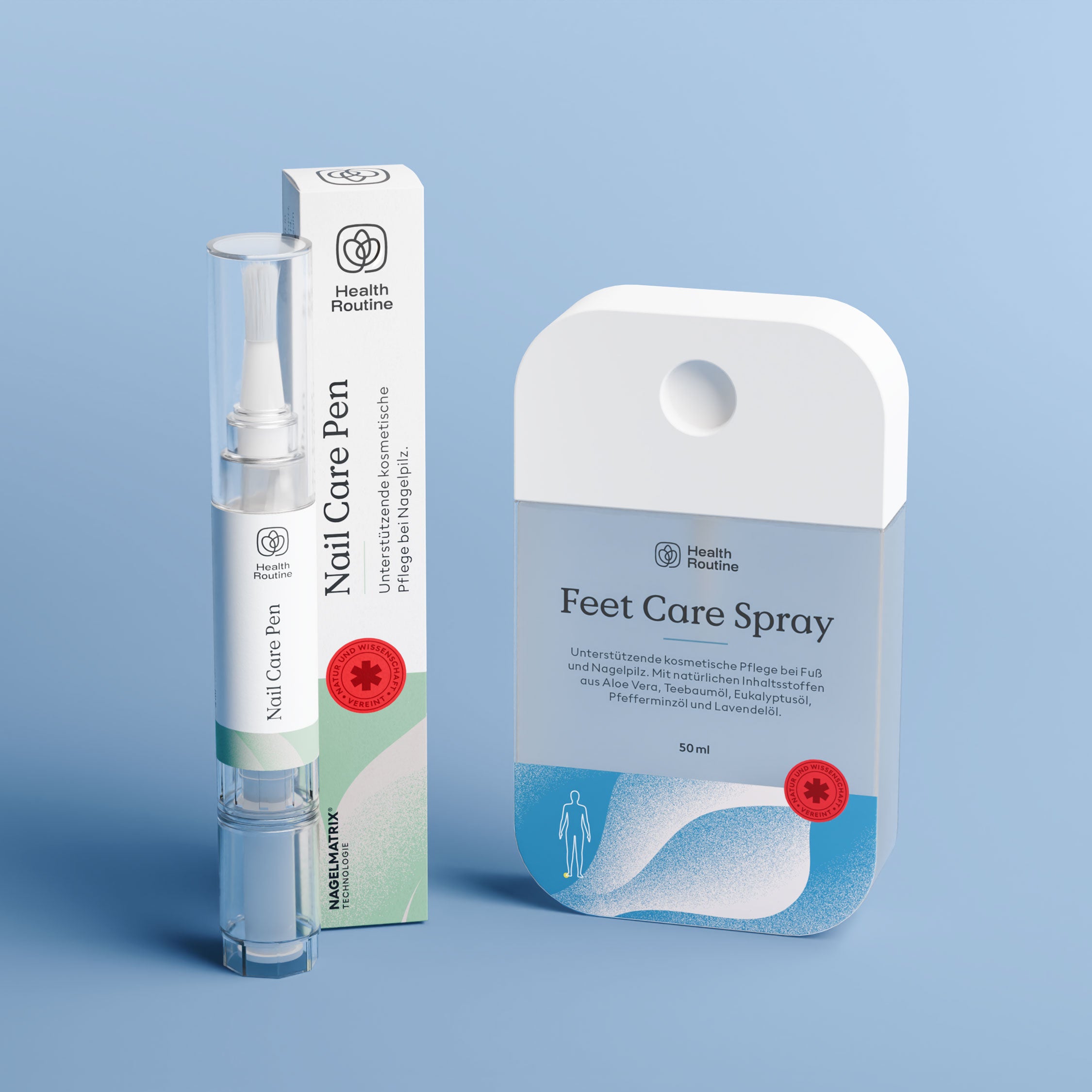
Cracked feet especially benefit from soothing moisture . With our innovative Feet Care Spray, you can now care for them effortlessly. Simply spray it on. Done.
The foot spray does the rest for you . With its caring and nourishing ingredients, it not only pampers your feet.
- an extra dose of moisture,
- but it can also have a skin-soothing effect.
Choosing the right socks and shoes
To treat and effectively prevent cracked heels , you should definitely pay attention to choosing suitable socks and shoes .
Expert tip: Opt for socks made of skin-friendly cotton to avoid chafing and ensure a comfortable foot climate . Your shoes should fit well and be breathable.
Why is washing your feet daily important?
Washing your feet daily significantly helps prevent deep cracks on the heels and balls of the feet. Washing removes bacteria.
Otherwise, these could penetrate into deeper layers of skin through micro-fine cracks, contributing to the spread of rhagades on the foot and triggering further inflammation.
A weekly foot bath is a special treat for dry feet , especially if you use Health Routine foot bath salts .
🌿 The all-natural ingredients can additionally care for cracked feet and support the body's self-healing powers.
🌿 According to health experts, the sea salt it contains has antiseptic and anti-inflammatory properties.
🌿 The other ingredients in the balanced formula also provide extra care for cracked feet and thus contribute significantly to your well-being.
If you would like to learn more about foot baths with salt , we recommend our comprehensive guide. It contains valuable expert tips that you should definitely know.
Optimal care products: Here's what you should pay attention to!
When choosing your foot care products, you should pay attention to the ingredients . Dry and cracked feet require professional care . Since the skin is already very dry and irritated, you should consistently avoid the use of chemical ingredients and alcohol .
Instead, natural formulas with moisturizing components have proven effective.
At Health Routine, we rely 100% on the best of nature and modern science. We use only natural ingredients that have proven effective in the care of cracked feet.
More expert tips for cracked feet
The following measures are also suitable for preventing and caring for cracked feet and fissures , and all of them can be implemented without much effort:
-
Nourish your body with nutrients . You can optimally care for cracked feet not only with creams and the like, but also from the inside out for velvety soft skin. Omega 3, in particular , contributes significantly to the well-being of your skin.
Scientific findings show that the fatty acids EPA & DHA contained in the product are not only essential for the heart, brain and eyes, but also make a significant contribution to skin health.
-
Use only pH-neutral cleansers and perfume-free creams to avoid damaging the skin barrier.
-
When showering and bathing, pay attention to both the duration and the temperature . Body cleansing should last a maximum of 10 minutes and be done with water at 38 degrees Celsius to avoid further drying out the skin.
-
Treat your feet to a nighttime cream mask . Use a rich moisturizing cream containing urea. Apply it to the calluses on your heels or the balls of your feet and leave it on overnight.
Wearing cotton socks can protect your bed linen from grease stains and ensure that the cream can penetrate properly.
- Avoid shoes with heels . The weight shift they cause can significantly contribute to the formation of calluses.
The importance of proper foot care
Cracked feet and fissures can only be managed with a good skincare routine .
- Through daily washing,
- spraying with moisturizing Feet Care Spray
- and a weekly foot bath with regenerating water Foot bath salts can prevent and successfully treat cracked feet and fissures.
Because only then can you combat the true cause: dry skin. This is largely responsible for the development of the problems.
How do you remove calluses effectively and regularly?
To effectively prevent cracked heels, thick layers of callus should be removed regularly . Cracked calluses pave the way for cracked heels to develop on the feet.
Use a foot file or pumice stone after a soothing foot bath. You can find more tips and step-by-step instructions in our guide: Removing Calluses.
Check footwear
Cracked soles are often a sign of unsuitable shoes or an incorrect gait . Insoles may help prevent calluses on the heels and balls of the feet. It's best to discuss this with your doctor.
These are the best shoes for cracked feet
The best shoes for cracked feet are those that fit you perfectly . They should be neither too small nor too large . Only then can you avoid pressure points and chafing.
When buying shoes, be sure to pay attention to a well-cushioned sole . This will absorb a large portion of the impact and reduce pressure on the soles of your feet. Specialty stores often offer the best advice on this, as their staff are trained accordingly.
Which home remedies can help?
Even the medieval physician Paracelsus was convinced that "there is a herb for every disease." Modern naturopathy also recommends the following home remedies as a supportive treatment for cracked heels:
🌿 Olive oil
Dry feet especially benefit from olive oil. With its balanced ratio of valuable omega-3 and omega-6 fatty acids, it can help keep the skin supple when applied externally.
🌿 Coconut oil
Coconut oil is considered antimicrobial and nourishing. Like olive oil, it moisturizes the skin from the outside and can also make life difficult for viruses, bacteria, and fungi.
🌿 Banana mask
Yes, you read that right. Bananas, thanks to their high nutrient content, are considered a valuable home remedy for cracked feet. You will need two bananas for the mask.
Mash them with a fork into a paste. Massage this into your cracked soles. Leave the paste on for about 20 minutes before rinsing it off with lukewarm water.
🌿 Paraffin wax
A special foot bath with paraffin wax is considered particularly soothing for cracked skin thanks to its pleasant warmth. It forms a kind of protective layer on the skin.
Special devices are available commercially that allow for safe paraffin wax baths. The wax must not get too hot to avoid the risk of burns.
🌿 Milk and honey foot bath
Another tried-and-tested home remedy for cracked heels is a milk and honey bath, which Cleopatra herself is said to have used. Legend has it that she even bathed her entire body in it. A milk and honey foot bath is said to have nourishing, conditioning, and antibacterial properties.
Conclusion
Cracked feet require special care. However, this can often be easily integrated into your daily routine. By nourishing your body from within with high-quality nutrients like Omega 3 , you're already laying an essential foundation.
Another important step involves external care, such as a weekly foot bath with soothing foot bath salts and the daily application of nourishing Feet Care Spray .
You can also make a valuable contribution to preventing the formation of cracked heels on your feet by using home remedies such as a banana mask or coconut oil.
FAQ
Can cracked feet lead to infections?
Yes, cracked feet can lead to infections. Bacteria, fungi, and viruses can enter deeper layers of the skin through the cracks and cause serious health problems.
Are cracked feet a sign of other health problems?
In most cases, cracked feet are a sign of dry skin. However, in some cases, they can also indicate health problems such as diabetes, skin diseases, or other metabolic disorders.
🌿 Discover more guides from Health Routine now:
- Wellness for your feet » The best tips for relaxation
- Ingrown toenail » Causes & Treatments
- Psoriatic nails: Signs, treatment & care
- Treating sweaty feet: All causes | 8 expert tips
Your medical advice
Our products are not intended to diagnose, treat, cure, or prevent any disease. The information provided in this article is for informational purposes only and is not intended to replace consultation with your doctor or other healthcare professional.
Furthermore, our products are not a substitute for medication or other treatments prescribed by your doctor or healthcare provider. Despite exercising due diligence, no liability or warranty is assumed for the
- Accuracy,
- Timeliness,
- completeness
- and availability of the information provided.
No legal claims can be made for any potential damages arising from the use of this information. Liability claims of any kind are excluded.