





The most important points at a glance:
-
Nail detachment can be caused by external stress, improper care, or health issues.
-
This guide explains the differences between onycholysis (partial detachment) and onychomadesis (complete loss).
-
You will learn which care measures can be helpful and when medical advice is needed.
What does nail detachment mean?
In nail detachment, the nail plate detaches either partially (onycholysis) or completely (onychomadesis) from the nail bed. Depending on the cause, this can be painless or accompanied by signs of inflammation.
In many cases the changes are temporary – early assessment and appropriate care are important.
Overview of the causes of onychomadesis
Before we delve deeper into the topic of nail health, let's first take a look at the various causes of onychomadesis . This medical term refers to the complete loss of a nail , whether on a finger or toe.
In contrast, onycholysis involves the partial detachment of the nail from the nail bed , but it does not fall off completely. Understanding the causes is essential in order to implement effective preventative measures and, if necessary, develop the appropriate treatment strategy.
What causes partial nail detachment?
1. Nail diseases
-
Onychomycosis: This condition, also known as nail fungus, is caused by fungi and can lead to nail detachment. Early detection and treatment are crucial to prevent further complications.
- Onycholysis: In this condition, the nail detaches from the nail bed, often due to skin diseases such as psoriasis. Early diagnosis and treatment can help save the nail and alleviate symptoms.
2. External influences
-
Trauma: A bump or blow to the nail can cause the nail plate to detach or the nail to fall off. In such cases, it is important to protect the nail and seek medical advice if necessary.
- Chemical effects: Exposure to aggressive chemicals can weaken nails and cause them to detach. It is advisable to wear protective gloves when handling chemicals and to take good care of your nails.
3. Systemic diseases
-
Thyroid disorders: Problems with the thyroid gland can lead to onycholysis, in which the nail detaches from the nail bed. Appropriate treatment of the underlying condition is crucial in such cases.
- Iron deficiency: A lack of iron in the body can impair nail health and lead to fingernails or toenails becoming loose. A balanced diet and, if necessary, iron supplements can help.
4. Inadequate nail care
-
Inappropriate manicure/pedicure : Overly aggressive filing or cutting can damage the nail structure and lead to lifting. Gentle and careful nail care is therefore essential.
- Moisture: Excessive exposure to moisture can soften nails and make them more susceptible to infection, which can lead to nail detachment. It is important to keep hands and feet dry and to wear protective gloves if necessary.
What causes a complete nail detachment?
1. Nail diseases
-
Onychomadesis: A serious condition in which the nail completely detaches from the nail bed , often as a result of a viral infection or a serious systemic disease. Systemic diseases are illnesses that can affect multiple organs or the entire body, such as diabetes or rheumatoid arthritis.
- Nail bed infection: In some cases, an infection of the nail bed can become so severe that the nail detaches completely. This inflammation can be triggered by various factors, such as ingrown nails or bacteria, and often requires medical treatment.
2. Traumatic events
-
Hand-foot-and-mouth disease: This viral infection, which mainly affects children, carries the risk of fingernails and toenails detaching completely, which can lead to discomfort and possible complications.
- Severe injuries: A severe blow, accident, or crushing injury can damage the structure of the nail and cause it to fall off completely, requiring careful care and possibly medical intervention.
3. Chemical influences
-
Aggressive chemicals: Contact with aggressive chemicals, whether in a professional setting or through improper use, can weaken and damage the nails, potentially leading to complete detachment.
- Drug reactions: Certain medications, especially some chemotherapeutic agents and antifungals, can cause nail detachment as a side effect, which may necessitate an adjustment of the medication.
4. Systemic diseases
-
Severe systemic diseases: Diseases such as psoriasis, thyroid diseases or autoimmune diseases can have far-reaching effects on the body and lead to complete nail detachment.
- Malnutrition: Vitamins are important for nails . A deficiency can impair nail health, weaken the nail structure, and thus lead to nail detachment.
Treatment for nail detachment: What really helps?
If you notice that a fingernail or toenail is lifting or falling off , it can be a distressing experience. But don't worry, there are effective treatment options that can help you restore nail health.
Let us now consider the treatment options for partial and complete nail detachment separately, in order to provide a clear overview.
Partial nail detachment
Onycholysis treatment: It is important to treat the underlying cause. This could involve treating a thyroid disorder or a fungal infection.
Furthermore, the application of special serums can help regenerate the nail bed . It is also advisable to protect the nail from further trauma and to maintain good nail hygiene .
Toenail is coming loose, what to do?: In this case, it is advisable to keep the affected area clean and dry to avoid further infections.
Wearing comfortable shoes and avoiding pressure on the nail can also be helpful. If there are signs of infection, a doctor should be consulted.
Complete nail detachment
Onychomadesis treatment: In the case of complete nail detachment, it is important to consult a doctor who can suggest a suitable treatment to allow the nail to grow back.
The doctor can prescribe medication and give advice on how to care for the affected area. It is crucial to follow the doctor's instructions to avoid complications.
Regenerating the nail bed: Special care can help strengthen and protect the nail bed to promote healthy nail regrowth .
The use of moisturizing creams and protective bandages can also be helpful. A balanced diet and good fluid intake support the healing process.

Attraktive und gepflegte Nägel
Verleiht Nägeln wieder ihren natürlichen Glanz
Schützt & stärkt die Nägel
The insider tip for strong nails: Trust in the support of the Nail Growth Serum.
Do you dream of well-groomed nails with a natural shine? Health Routine's Nail Growth Serum could be your new best friend. This serum is more than just a nail oil; it's your personal assistant when it comes to promoting nail growth and improving nail quality.
The serum combines powerful active ingredients from nature, including
-
Almond oil , which provides moisture and can prevent structural damage from UV radiation,
- Jojoba oil , which strengthens the nails and nourishes the cuticles,
- and citrus oil , which acts like a key, opening the nail at a cellular level to allow the nourishing ingredients to penetrate deeply.
Expert tip: These oils, along with coconut oil, olive oil, vitamin E and biotin, work hand in hand to strengthen brittle nails, promote nail growth and restore the nails' natural shine.
For optimal results and to promote nail regrowth , you should also pay attention to a balanced diet rich in...
- Calcium
- Vitamin A,
- Biotin
- as well as vitamins B, C and E.
These nutrients are crucial for healthy nail growth and, in combination with the nail serum, can lead to impressive results.
With a simple application 2 to 3 times daily, you can pave the way to healthy and strong nails . Thanks to the practical brush applicator, application only takes a few minutes.
But before you begin, make sure your nails are properly prepared:
- Cut off any cracked or split nails and file the edges thoroughly. A glass nail file with a micro-fine grit is ideal for this.
- After washing your hands, apply the serum and leave it on for five to ten minutes.
So, what are you waiting for? Trust in the support of the Nail Growth Serum and look forward to well-groomed nails that make an excellent first impression.
Attraktive und gepflegte Nägel
Verleiht Nägeln wieder ihren natürlichen Glanz
Schützt & stärkt die Nägel
Crushing injury: What happens when the nail separates from the nail bed?
A crush injury to the nail can be a painful experience, often caused by accidents at home or at work. If the fingernail comes loose after being crushed, it can initially be quite a shock.
But don't worry, there are effective ways to deal with this situation. Here you can learn what a crush injury is and what treatment options are available.
-
Cooling: To reduce swelling, you should cool the injured area immediately. This also helps to relieve pain. A cold pack or a cold cloth can be used, but direct contact with ice should be avoided to prevent skin damage.
-
Protection: If a nail falls off after being crushed, it's important to protect the area. This can help prevent infection. A sterile bandage can be very helpful in this regard, protecting the affected area from dirt and bacteria.
- Medical advice: In case of serious injuries, you should consult a doctor who can suggest the appropriate treatment. This may include prescribing medication, a tetanus vaccination, or other specific measures, depending on the severity and type of injury.
Nail fungus: A common cause of nail detachment
Nail fungus is a common condition that often leads to nail detachment. This infection can affect the nail to such an extent that it separates from the nail bed , which can be both uncomfortable and unsightly.
Fortunately, there are several treatment options that can help you overcome this challenge. Let's take a look at the available treatments.
-
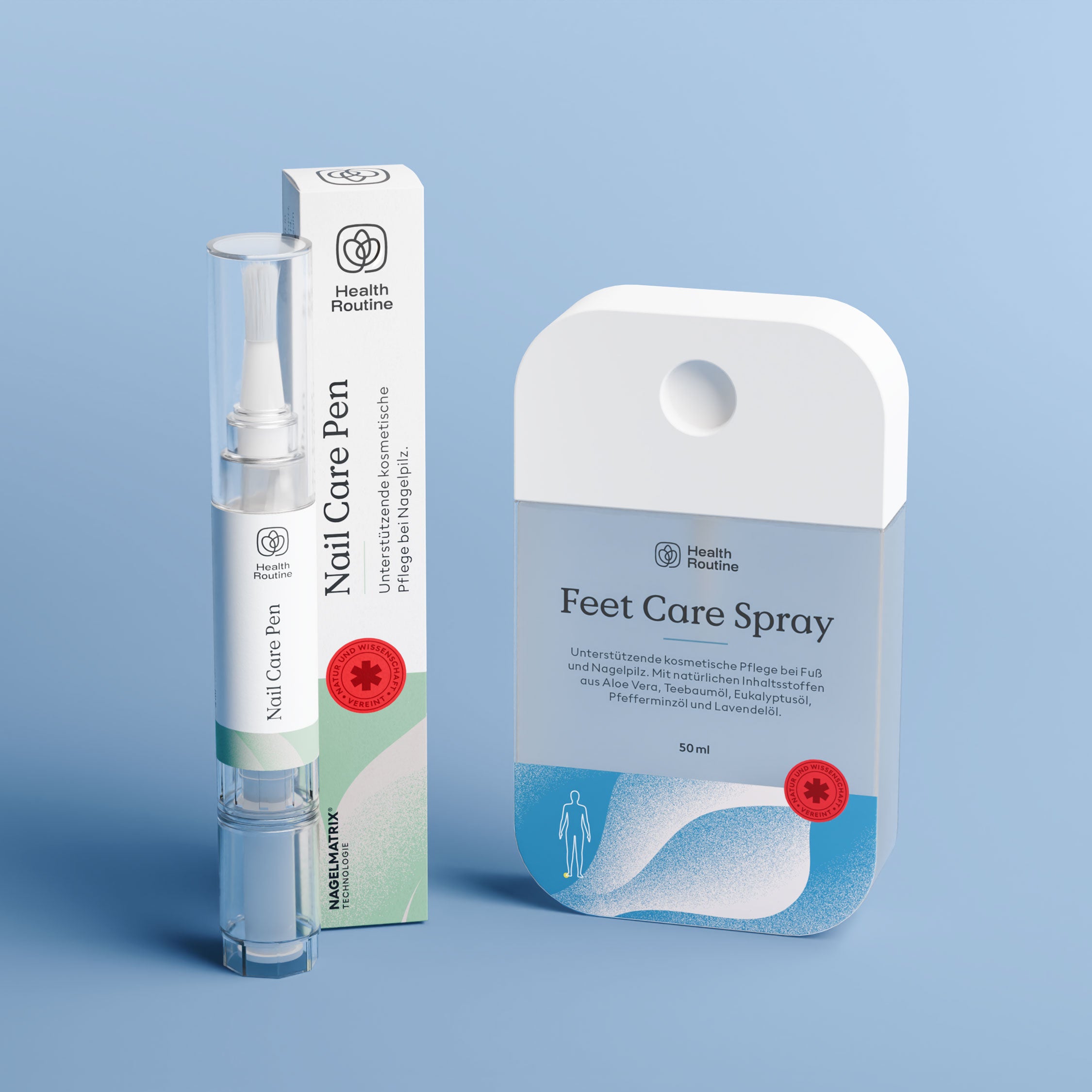
Antifungal creams and oils/serums: These products can be applied directly to the affected nail to combat the fungus.
-
Oral medications: In more severe cases, doctors may prescribe oral medications that fight the nail fungus from the inside out.
- Laser treatment: A modern method for treating nail fungus , in which a laser is used to destroy the fungus without damaging the surrounding nail.
Attraktive und gepflegte Nägel
Verleiht Nägeln wieder ihren natürlichen Glanz
Schützt & stärkt die Nägel
Nail psoriasis and its effects on the nails
Nail psoriasis is a chronic condition that can affect not only the skin but also the nails. The condition can cause the nails to thicken and discolor, which in some cases can ultimately lead to nail detachment .
Treating nail psoriasis is challenging, but there are several methods that can help.
Here are some of the common treatment options for nail psoriasis:
-
Topical steroids: These medications are applied directly to the affected areas to reduce inflammation and alleviate the symptoms of nail psoriasis.
-
Light therapy: This method uses UV light to inhibit inflammatory processes and improve the symptoms of nail psoriasis.
- Systemic drugs: These drugs, which act throughout the body, modulate the immune system to control the overreaction that causes psoriasis.
How do you recognize onychomadesis? Characteristics and signs
Onychomadesis is a serious form of nail disease , which is why it is crucial to pay attention to the symptoms early on. This allows for timely intervention and potentially prevents the nail from detaching.
The following are some characteristic features and symptoms of onychomadesis:
-
Nail discoloration: A yellowish or brownish discoloration of the nail may indicate the beginning of detachment.
-
Changes in nail structure: A nail that becomes thicker or more brittle can be an indicator of onychomadesis.
-
Pain: Discomfort in the area of the nail bed can be an early symptom of the disease.
- Complete detachment: In advanced stages, the nail may completely detach from the nail bed, which is a clear sign of onychomadesis.
Conclusion
With this guide at your side, you are now ideally equipped to confidently face the diverse challenges of nail problems.
Your nails are an expression of your health and therefore deserve special attention and care. So don't hesitate, take nail health seriously and implement the tips and advice listed here.
Because strong, healthy nails are not only a sign of your physical well-being, but also a real boost to your self-confidence.
Prepare to impress with strong, shiny nails and feel confident in the appearance of your hands at all times!
FAQ
Is it possible for a toenail to not grow back?
Yes, in rare cases, a toenail may not grow back. This can happen due to severe injuries or infections that have irreparably damaged the nail bed.
In such cases, it is advisable to consult a specialist who can offer individual advice and treatment options to achieve the best possible result.
How long does it take for a nail to grow back?
The time it takes for a nail to grow back can vary, depending on various factors such as individual health, diet, and how well nail care is practiced.
Generally, it takes about 6 months for fingernails and up to 12-18 months for toenails to grow back completely. A balanced diet and proper care can support and promote this process.
🌿 Discover more guides from Health Routine now:
Your medical advice
Our products are not intended to diagnose, treat, cure, or prevent any disease. The information provided in this article is for informational purposes only and is not intended to replace consultation with your doctor or other healthcare professional.
Furthermore, our products are not a substitute for medication or other treatments prescribed by your doctor or healthcare provider. Despite exercising due diligence, no liability or warranty is assumed for the
- Accuracy,
- Timeliness,
- completeness
- and availability of the information provided.
No legal claims can be made for any potential damages arising from the use of this information. Liability claims of any kind are excluded.